
The Story of Tea
One leaf. One civilizational story.
From a wild leaf in China to a ritual shared across the world.
Begin the Story →The Story of Tea
What this book is
Tea began as a medicinal plant in China and became one of the commodities that connected economies, empires and everyday life across continents. It became a daily custom, then a trade valuable enough to move silver, shape imperial policy and contribute to wars. Along the way it was adopted by monks and merchants, courts and factory workers, and remade in every culture it reached. The Story of Tea follows that journey in three acts and sixteen chapters — including the chapters where tea’s history was written in addiction, conquest and forced labor. It is told plainly, from the sources, and it ends where the journey still continues: at the table.
Act Two
The Journey
Trade routes, empires, ships, conflict, migration, and the cultures tea shaped.
Tea did not simply travel. Wherever the leaf moved, other things moved with it: goods and money, knowledge and labor, power and conflict, habits and rituals.
The routes changed with time. Tea moved through the overland networks of Asia, climbed the trails between China and Tibet, crossed oceans in European ships and became entangled with silver, opium and empire. Britain built a new tea industry in India. Across the Atlantic, tea became part of a political crisis that ended in revolution. In Britain itself, it moved into working life, domestic life and social ritual.
The journey did not produce one tea culture. Different societies received the leaf through different histories and made something of their own from it.
In the Gulf, those histories meet: an older culture of coffee, tea arriving through trade, and later South Asian migration giving the region another everyday cup. Act Two ends there, where tea’s roads meet.
The nine chapters

The Silk Roads
The Silk Roads were never one road. They were a changing network of trade routes linking China with Central Asia, Persia and the Mediterranean. Tea entered that network gradually — and traveled west far more slowly than the routes themselves.
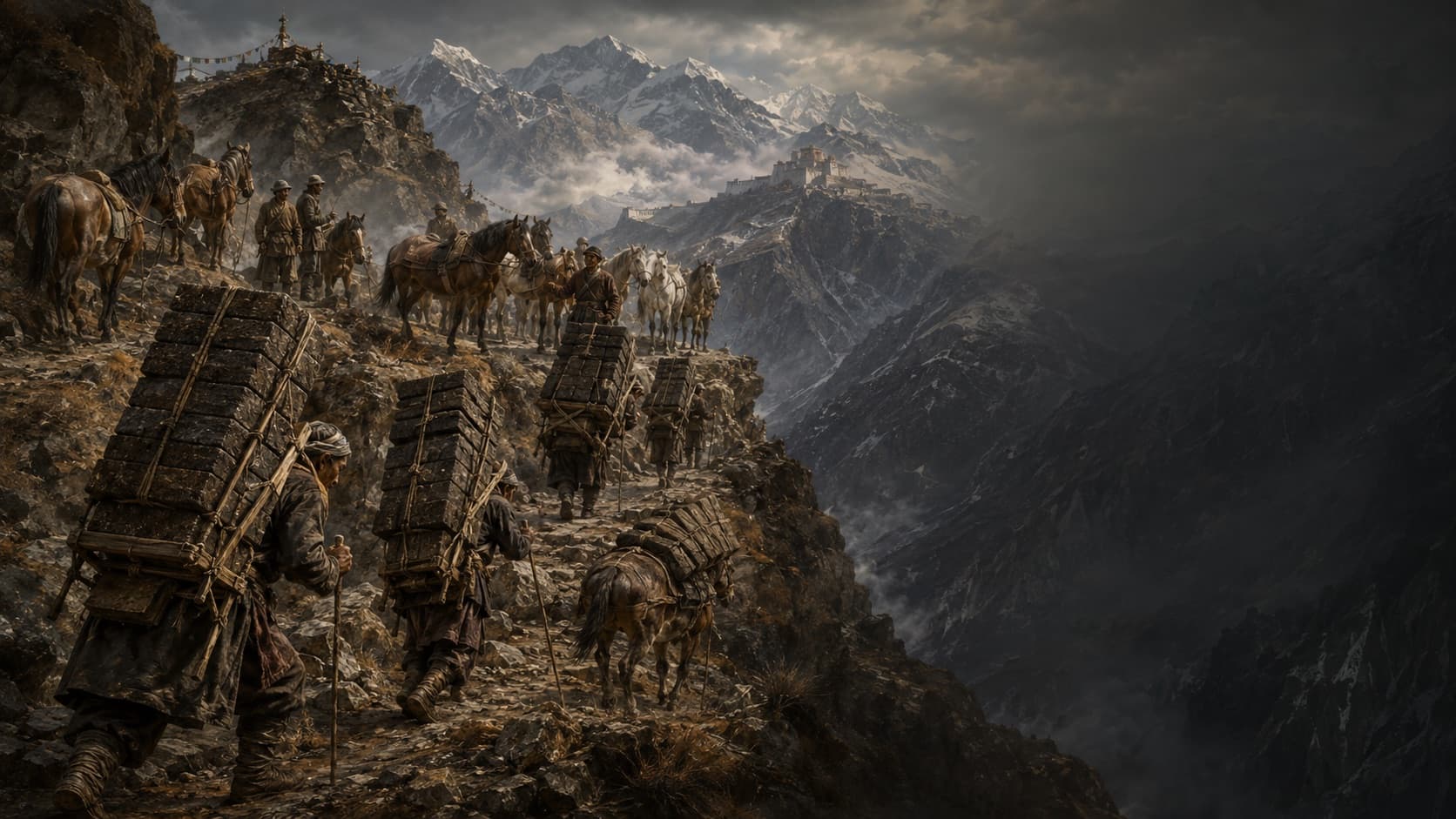
The Tea Horse Road
On the trails between southwest China and Tibet, tea became more than a trade good. For centuries the Chinese state used it to obtain horses, regulating the trade. On the plateau, tea also served as money.
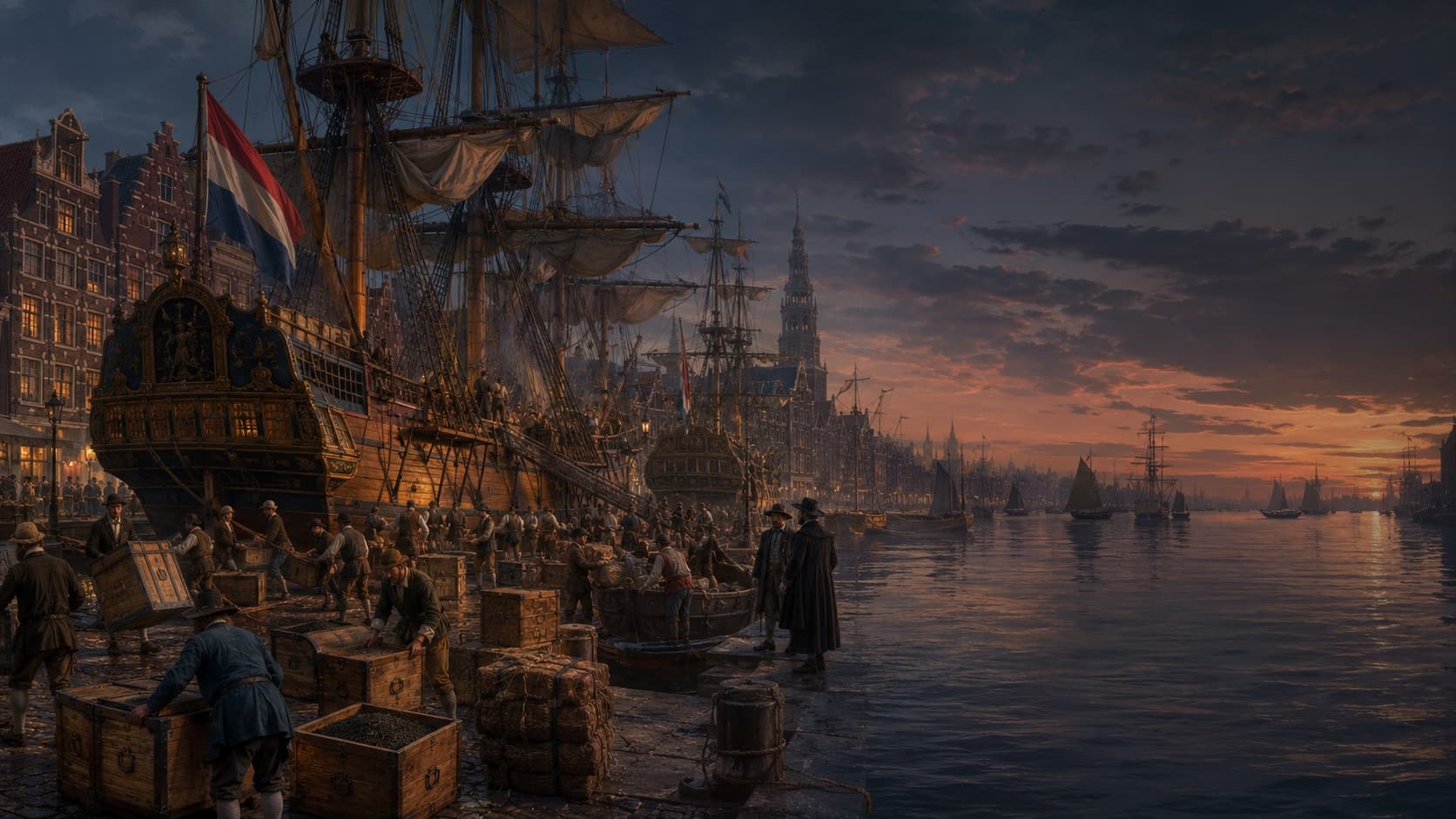
Tea Reaches Europe
Europe first learned of tea through travelers and Portuguese contact with Asia. Its trade to Europe came by sea: by the early seventeenth century, Dutch ships were carrying it as a medicine and a luxury. Within another half-century, the English East India Company was importing tea for itself.
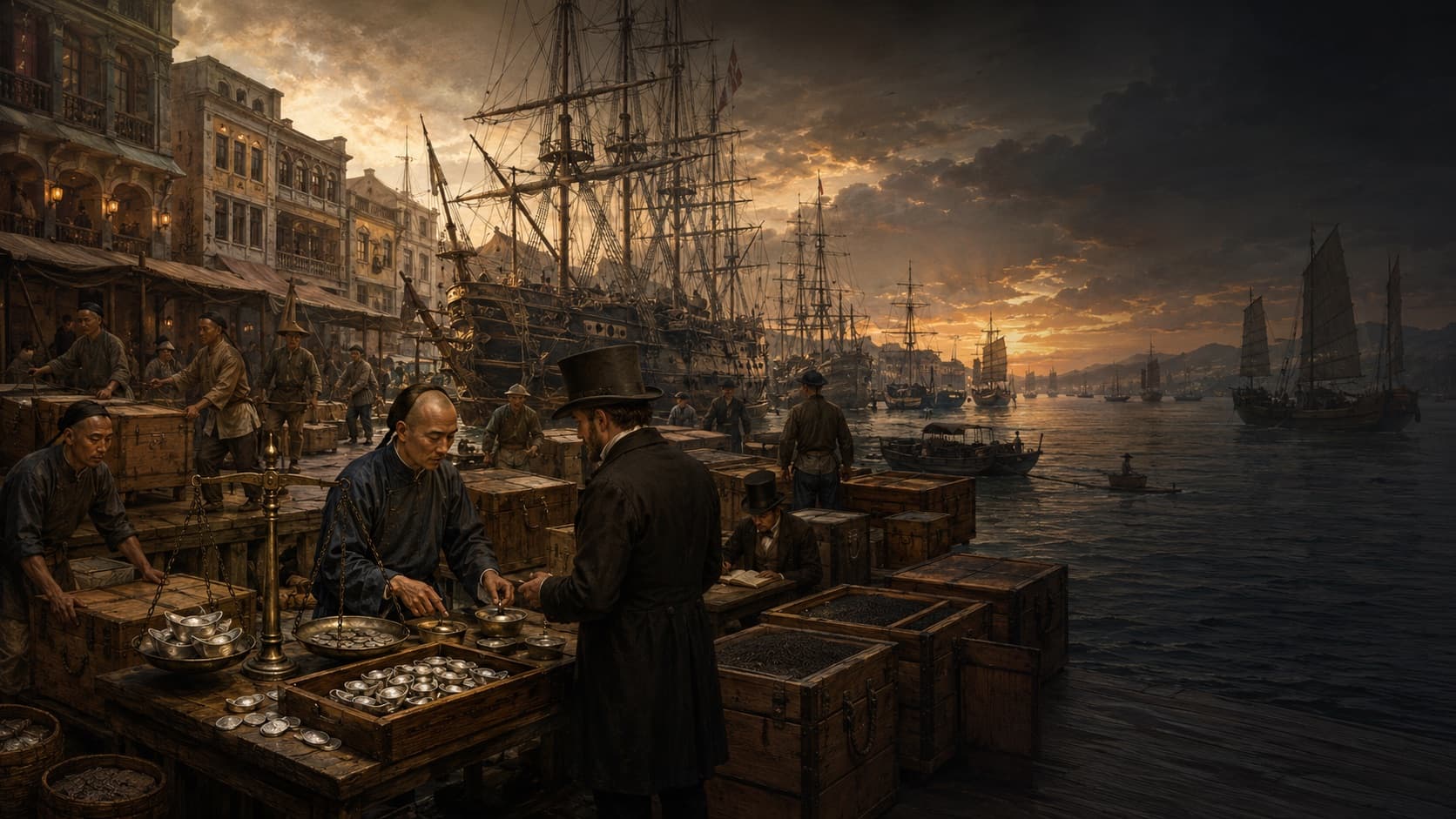
Tea and Empire
In the eighteenth century tea became Britain’s everyday drink. Britain bought it from China, and China would take payment only in silver. Opium from British-controlled India became the means by which that imbalance was reversed.
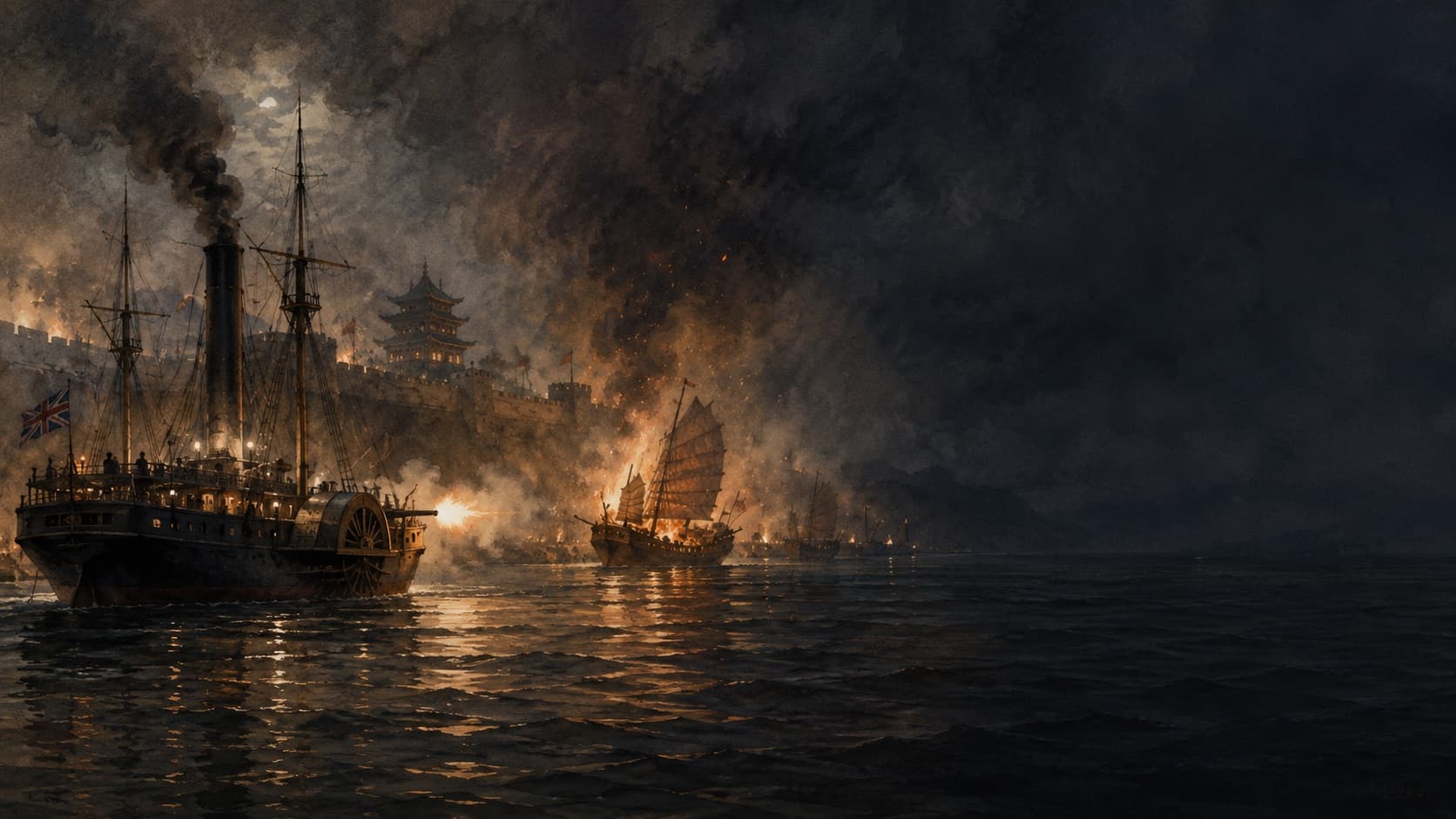
The Opium Wars
Between 1839 and 1860 Britain fought two wars with China. They began with China’s attempt to stop the opium trade. The settlements opened Chinese ports to foreign trade, ceded Hong Kong to Britain and, after the second war, allowed opium to be imported legally.
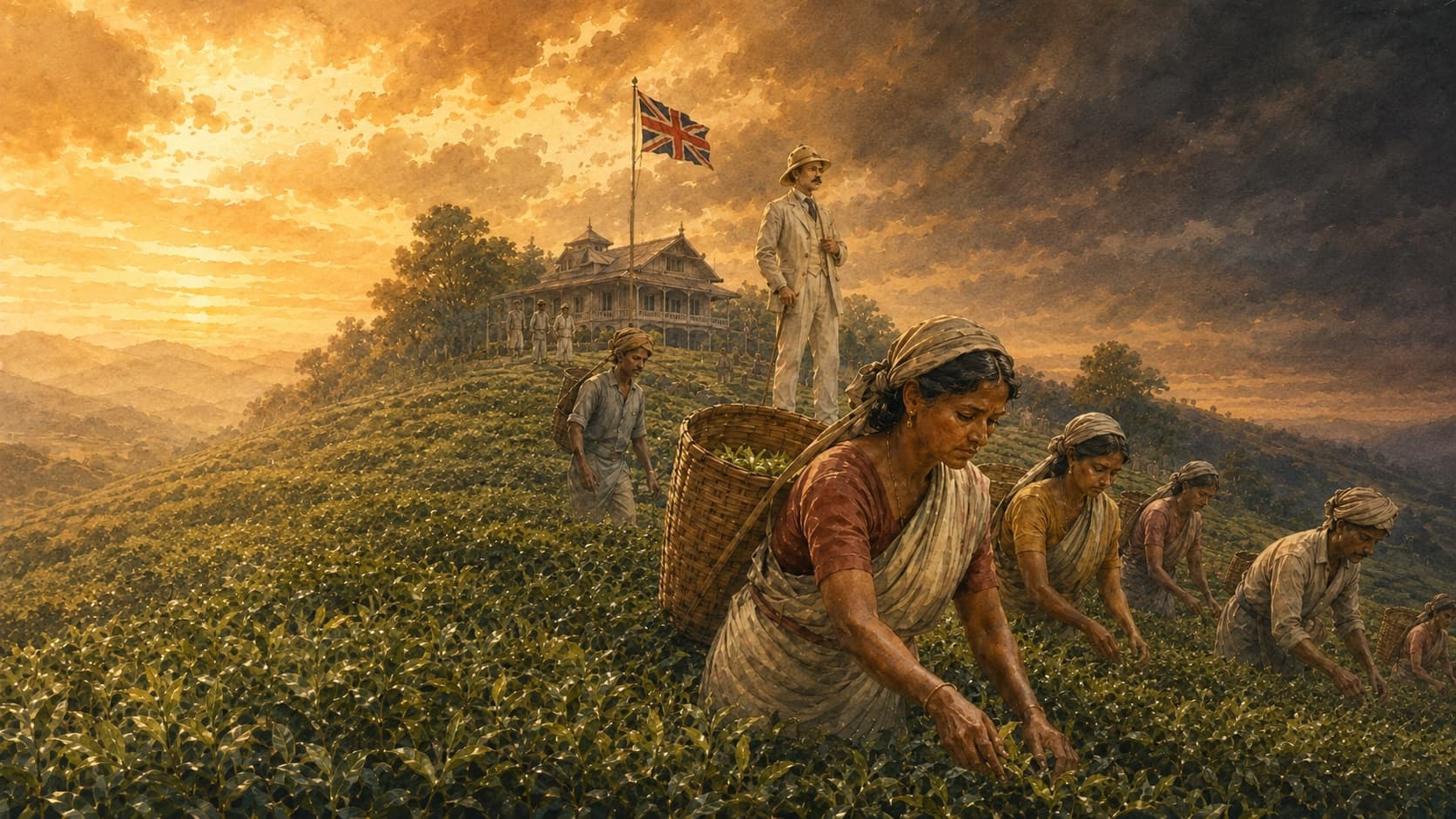
Tea Comes to India
In the nineteenth century Britain built a tea industry in India. It drew on a tea plant native to Assam, on plants and knowledge brought from China, and on laborers recruited from across India under contracts enforced by law.
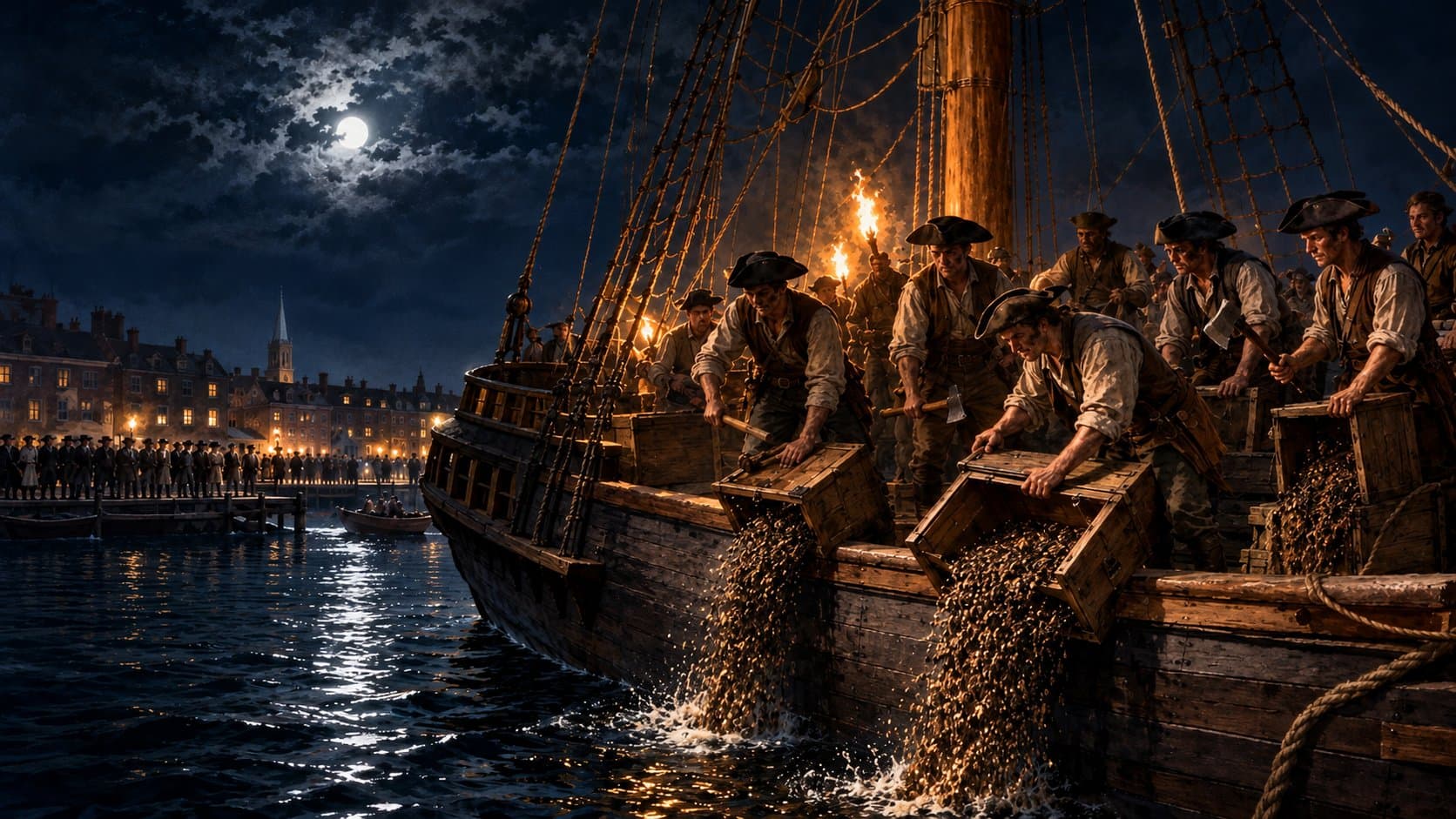
Tea and the American Revolution
In 1773 Parliament made legal tea cheaper in its American colonies but kept the duty on it. At Boston, colonists destroyed the tea rather than accept the tax. Britain’s punishment of Massachusetts was followed, within two years, by war.
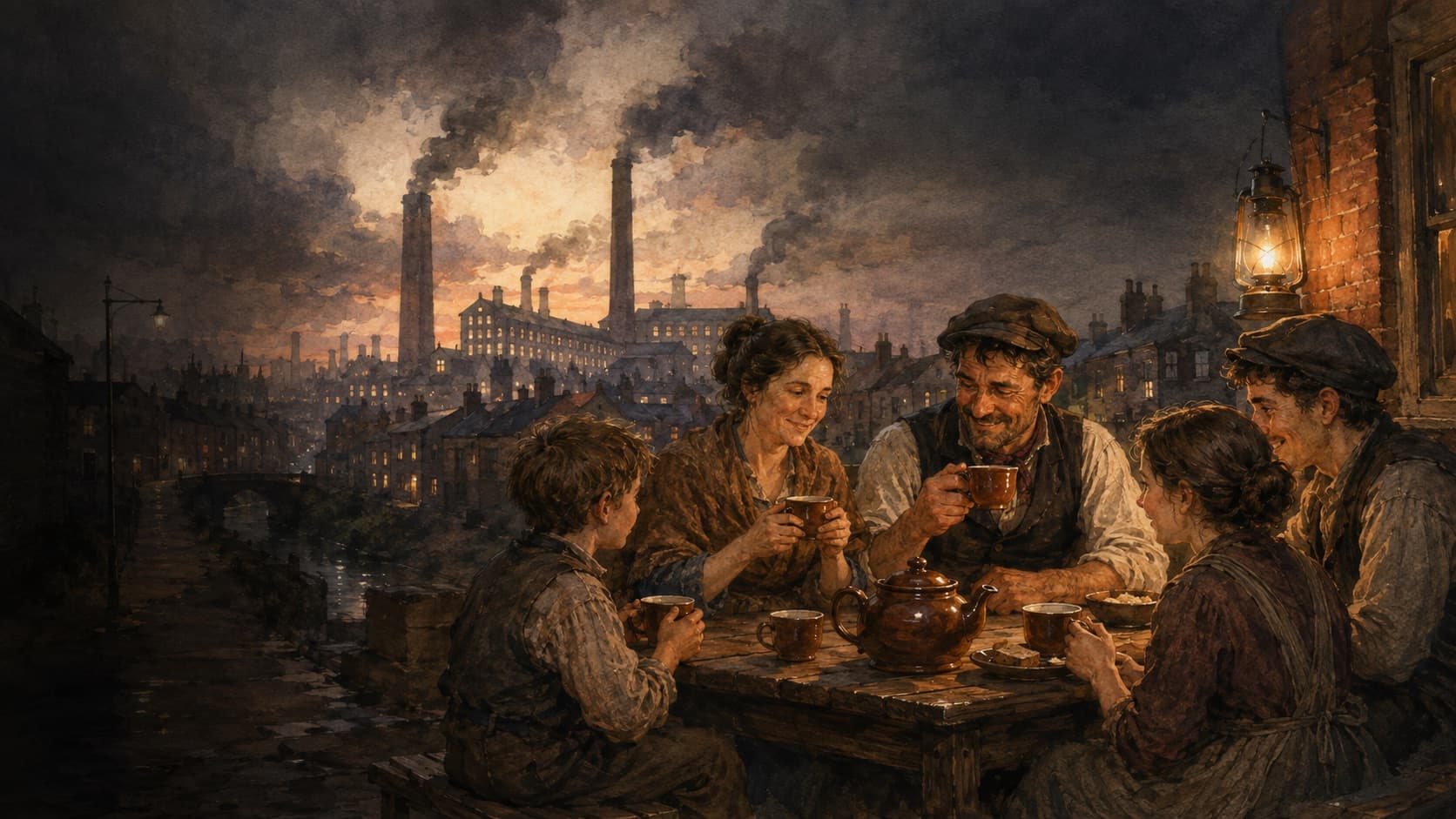
Tea and Industrial Society
Between the late eighteenth and the late nineteenth centuries, tea became an everyday drink in Britain. Lower duties and a growing imperial supply widened its reach; tea became part of working life, domestic life and social ritual.
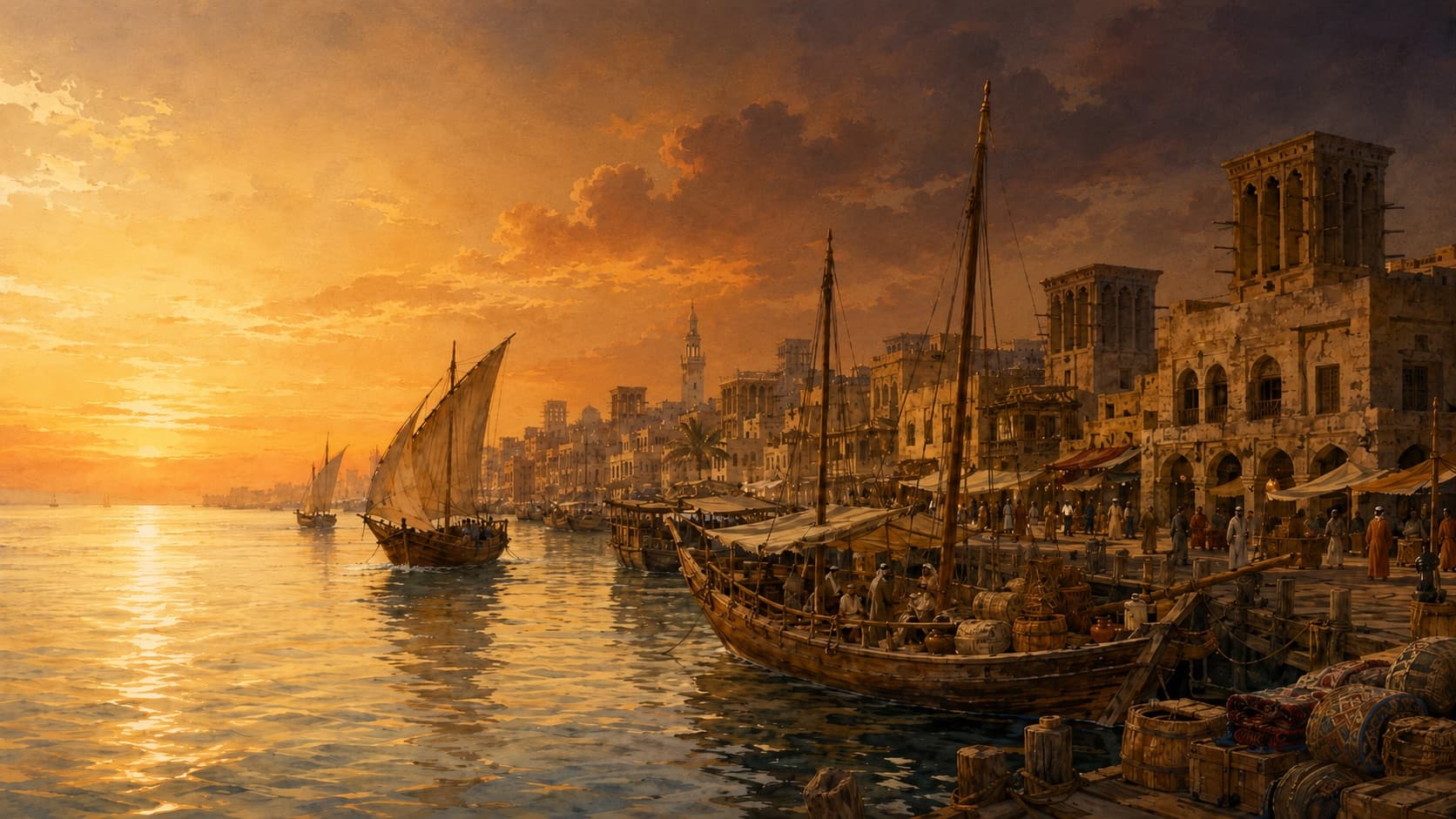
The Gulf Crossroads
Tea came late to the Gulf. Coffee was its drink of hospitality long before. Tea arrived through regional trade, became an everyday import in the twentieth century, and took a new form, karak, with the South Asian workers who came after oil.