Tea Comes to India
Assam and the Himalayas, from the 1820s to the 1880s
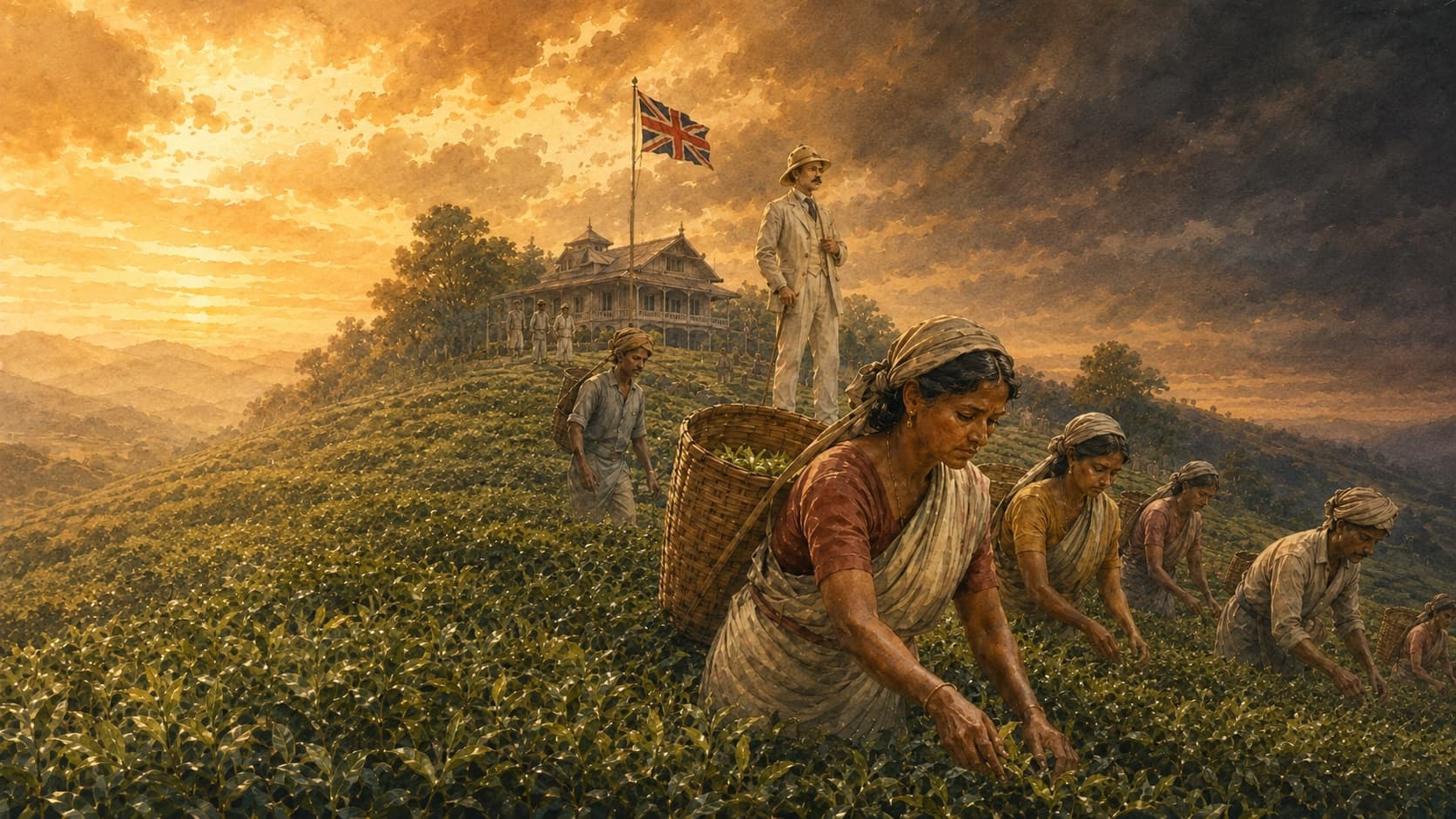
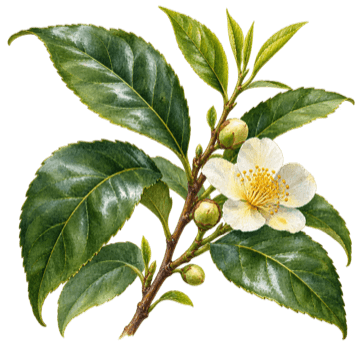
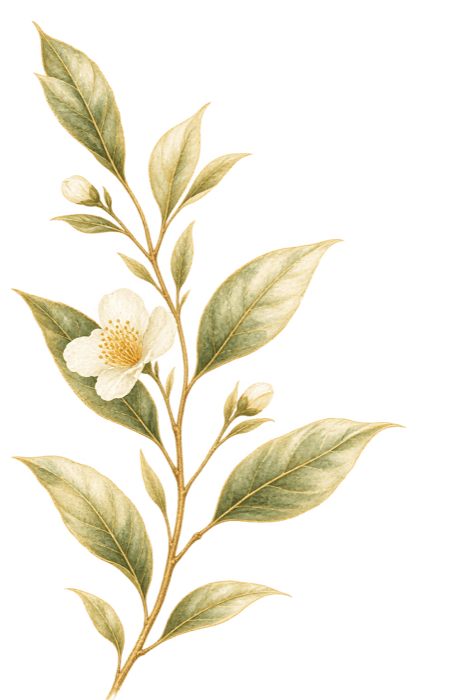
Tea already grew in India. In 1823 the British trader Robert Bruce was shown a tea plant in Assam, in India’s northeast, which the local Singpho people brewed. Samples reached Calcutta, where the botanist Nathaniel Wallich at first did not accept it as the same plant as China’s tea; it was later recognized as the same species.
The East India Company set up a Tea Committee in the 1830s to develop tea growing in India. In 1838 the first chests of Assam tea were sent to London, where they were auctioned in January 1839. By 1840 the Assam Company had been formed to grow tea commercially.
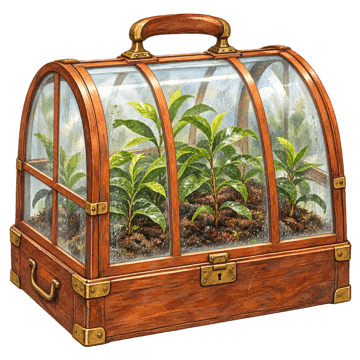
Britain also turned to China for plants and expertise. In the late 1840s the Company sent the botanist Robert Fortune into China’s tea districts. Often disguised in Chinese dress, he gathered tea plants and seeds and engaged skilled Chinese tea makers to work in India. He shipped thousands of plants and seedlings to the Company’s gardens in the Himalayas, including Darjeeling.
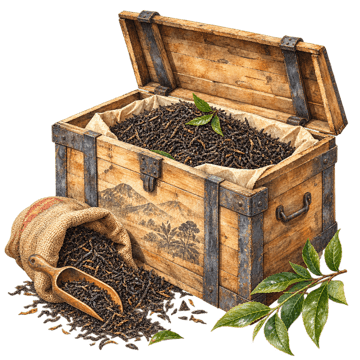
Indian tea grew quickly. By the late 1880s Britain was importing more tea from India than from China.
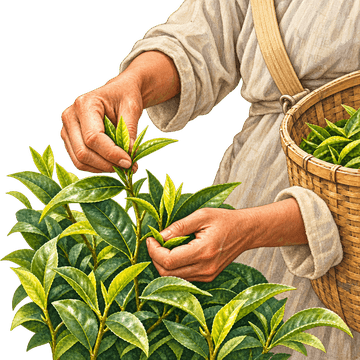
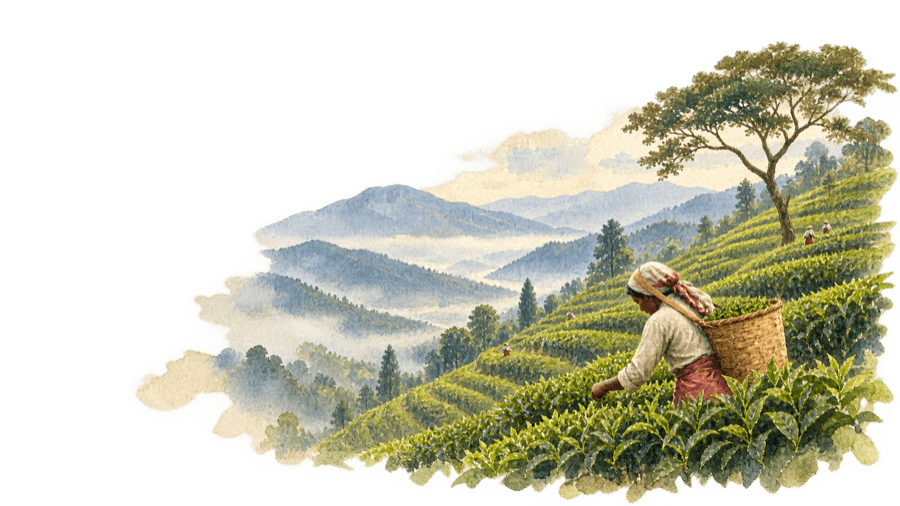
The plantations needed workers from outside Assam. From the 1860s, recruiters brought laborers from other parts of India, often through misrepresentation or force. Their contracts were enforced by criminal law: a worker who broke one could be fined or imprisoned. Mortality was severe. Of some 85,000 laborers brought to Assam between 1863 and 1866, more than 30,000 had died by 1866.
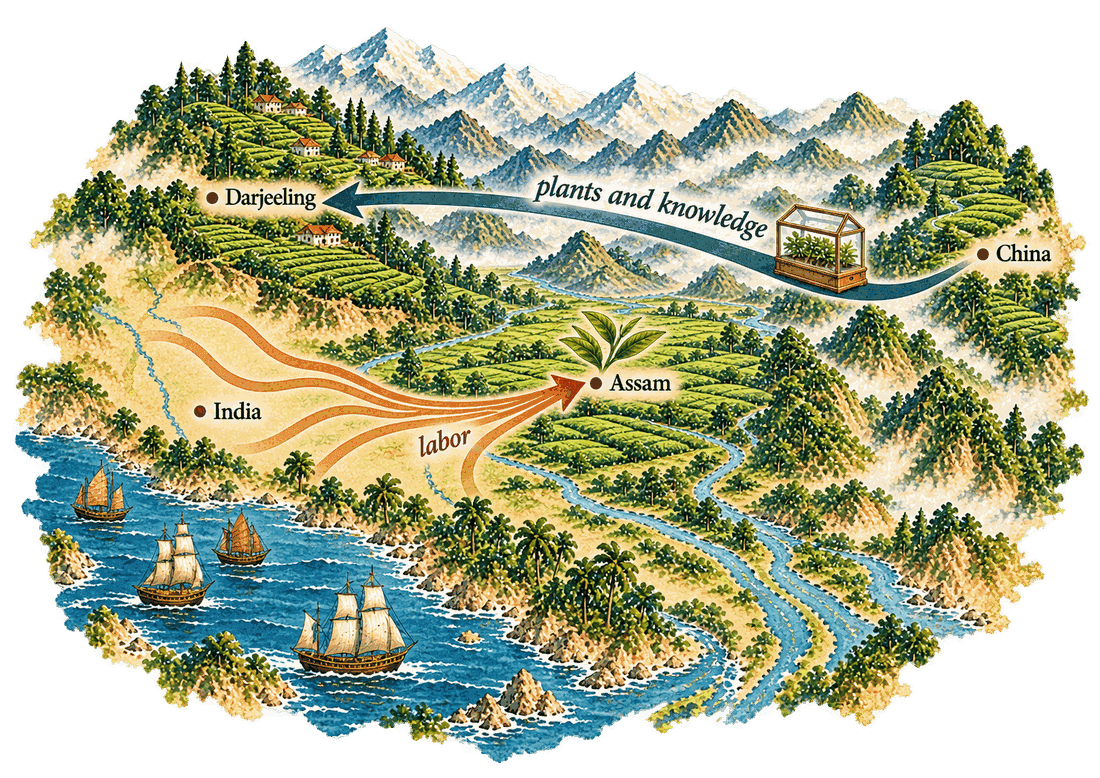
A tea plant native to Assam, plants and knowledge brought from China, and laborers recruited from across India built the industry.
The Glass Case
Living plants rarely survived months at sea. The Wardian case, a sealed glass box invented by the London doctor Nathaniel Ward, kept them alive by recycling their own moisture. Fortune packed China’s tea plants and seeds in these cases for the voyage to India.
India Had Its Own Tea
The Assam plant, long brewed by the Singpho, was the same species as China’s.
China Supplied Plants and Expertise
Fortune brought plants, seeds and Chinese tea makers to the Company’s gardens.
India Overtook China
By the late 1880s Britain bought more tea from India than from China.
The Labor Was Bound
Assam’s plantations depended on recruited workers held by contracts enforced through criminal law.
India already had tea.
Empire turned it into a plantation industry.
The Assam variety of the tea plant was already being brewed by the Singpho when the British encountered it.
What happened when Britain taxed tea in its American colonies, decades before?
Next · Chapter SevenTea and the American Revolution