Tea and Industrial Society
Britain, from the 1780s to the late nineteenth century
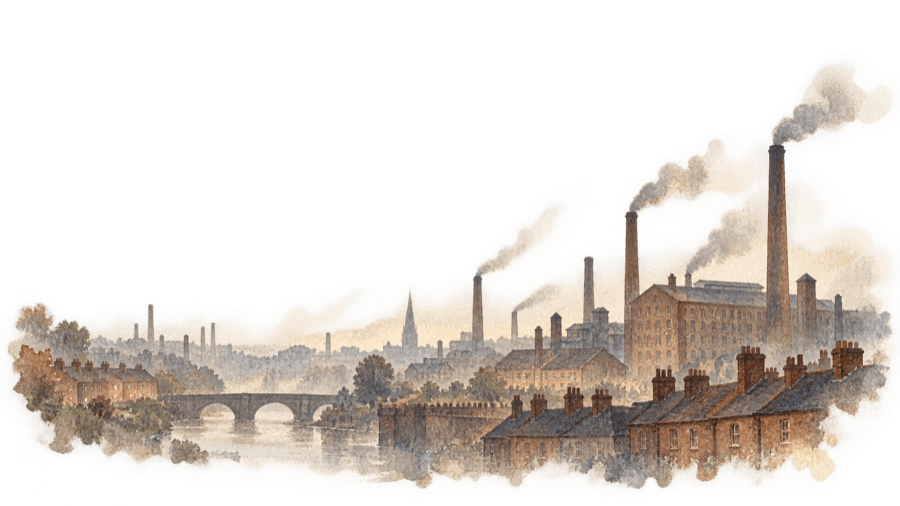
While Britain fought over the China trade and built plantations in India, tea was becoming ordinary at home.
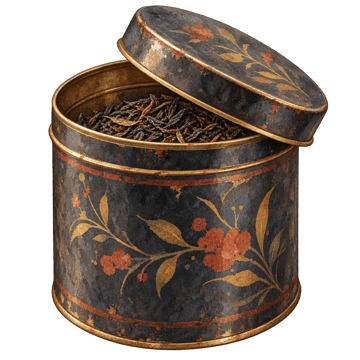
Price mattered. In 1784 the Commutation Act, introduced by William Pitt the Younger on the advice of the tea dealer Richard Twining, cut the duty on tea from 119 percent to 12.5 percent. Smuggling largely ended, and the tea passing legally through customs rose sharply. In the nineteenth century Britain’s tea came increasingly from India and Ceylon as well as China.
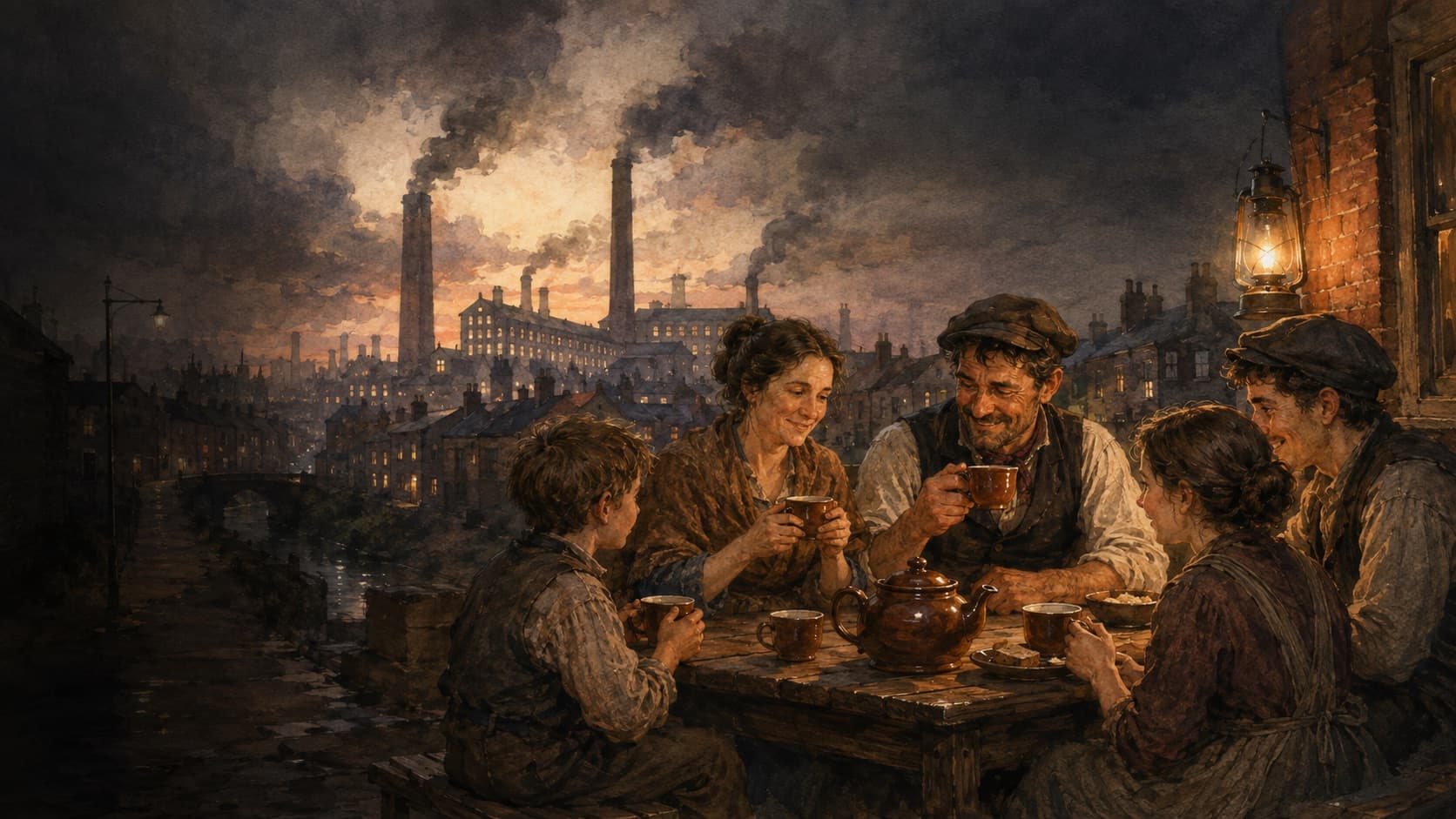
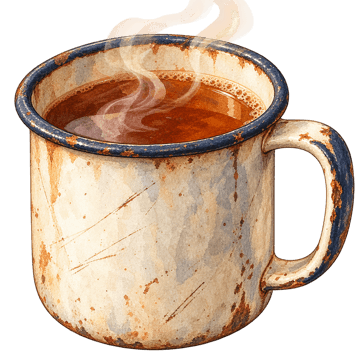
Tea became part of the working day. Sweetened with sugar, it entered the daily diet of laborers, and the break for tea became a fixture of work. The British cup took the form it still has: black tea with milk and sugar.
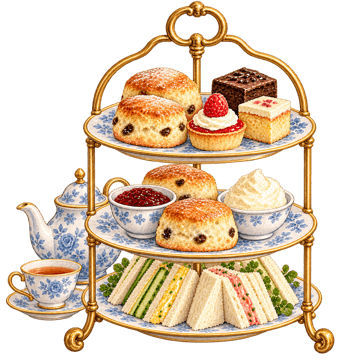
Among the better-off, tea became a social ritual. Afternoon tea is traditionally credited to Anna, Duchess of Bedford, in the first half of the nineteenth century. Tea also became the drink of the temperance movement, promoted as a sober alternative to alcohol.
Tea may also have had an unintended effect on health. Making tea meant boiling water. A study by the economist Francisca Antman, published in 2023, found that as tea drinking spread in eighteenth-century England, mortality fell more in places where water quality was worse. She concludes that drinking more boiled water may have reduced deaths; she describes parts of her evidence as suggestive.
By the end of the nineteenth century tea was drunk across British society.

At work, at home and in the parlor: by the end of the nineteenth century, tea was drunk across British society.
The Temperance Tea
The temperance movement did more than recommend tea. It held tea meetings across Britain, where people came to drink tea, eat and hear the case against alcohol. The meetings were also used to raise money for the cause.
Lower Duty, Wider Reach
The 1784 cut ended most smuggling and enlarged the legal trade.
A Working Drink
Sweetened with sugar, tea became part of laborers’ daily diet.
A Sober Ritual
Afternoon tea in the parlor; tea meetings for the temperance cause.
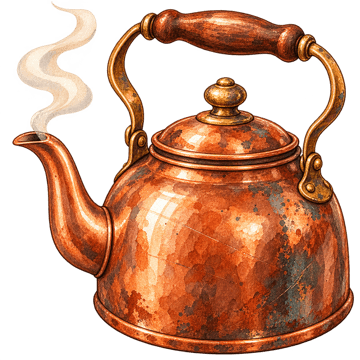
A Possible Health Effect
One study found larger mortality declines where water quality was worse as tea drinking spread; the evidence is suggestive.
Cheaper tea reached every class
and became Britain’s everyday drink.
Black tea with milk and sugar became the British cup in the eighteenth century, and still is.
How did tea reach the Gulf, and what did it become there?
Next · Chapter NineThe Gulf Crossroads