
Tea Reaches Europe
From Macau to London, the sixteenth and seventeenth centuries
The first European written reference to tea came from Venice. In the 1550s Giovanni Battista Ramusio, who collected travelers’ accounts of the wider world, recorded “Chai Catai,” the tea of China.
The Portuguese were the first Europeans to meet it directly. In 1557 Portugal established a trading base at Macau, and in 1560 Gaspar da Cruz published the first Portuguese account of Chinese tea. Portuguese Jesuit missionaries in Asia went on to write home about the drink.
Contact did not make a trade. That came with the Dutch. Around 1610 the Dutch East India Company began bringing tea to Europe from Japan and from China. In Europe it was first treated as a medicine and a luxury.
Tea reached England in the 1650s, where London’s coffeehouses began to sell it. In 1658 the first advertisement for tea in Britain appeared in a London weekly, and early sellers promoted it for its benefits to health. It was expensive, and at first a drink for the wealthy.
The English East India Company began importing tea in the 1660s; in 1669 it brought in 143 pounds from Bantam, on Java. Over the following century tea spread across English society. China, however, would sell it only for silver.
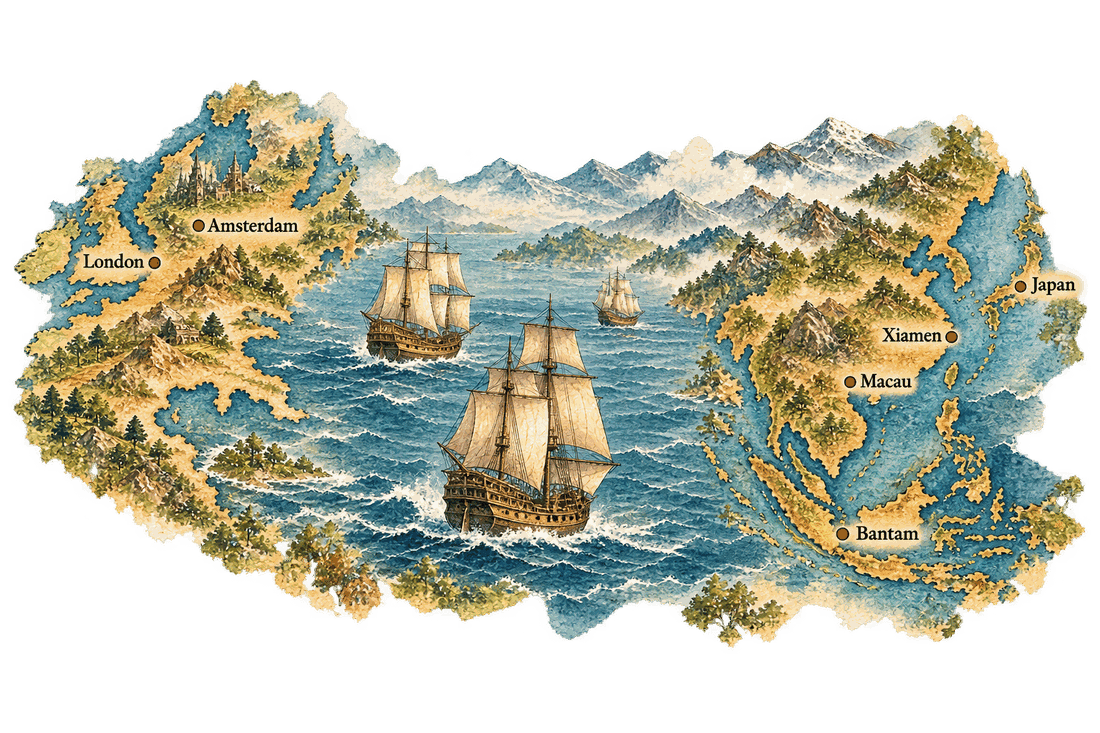
Tea reached Europe by sea: in Dutch ships from around 1610, and in English ships from the 1660s.
Two Words for One Leaf
The routes left their mark on the word. The Dutch traded at Xiamen in Fujian, where tea was called te; from Dutch thee came the forms that spread across much of Europe, among them English tea. Overland, the Mandarin cha became Persian chay and spread with the trade of Central Asia. The Portuguese, trading at Macau, took chá from Cantonese. The word often preserves the route by which tea first arrived.
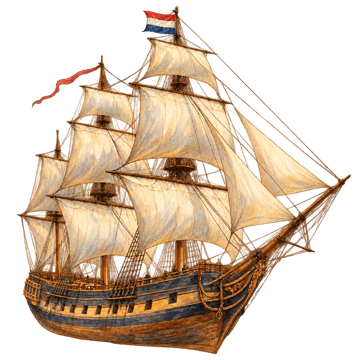
Contact Came Before Trade
The Portuguese wrote about tea; the Dutch made it a regular cargo.
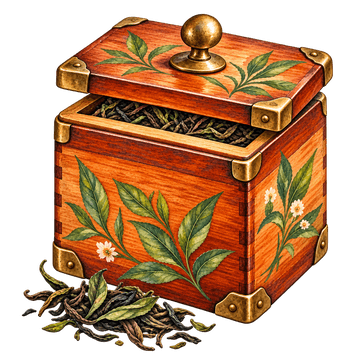
Companies Carried It
Tea reached Europe in the ships of chartered trading companies, not by caravan.
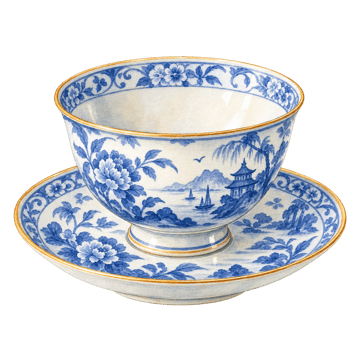
It Arrived as Medicine
Europe first knew tea as a remedy and a luxury, sold for its health.
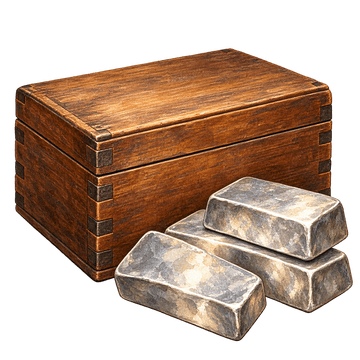
Demand Had a Price
China required payment in silver, creating a growing problem as British demand for tea increased.
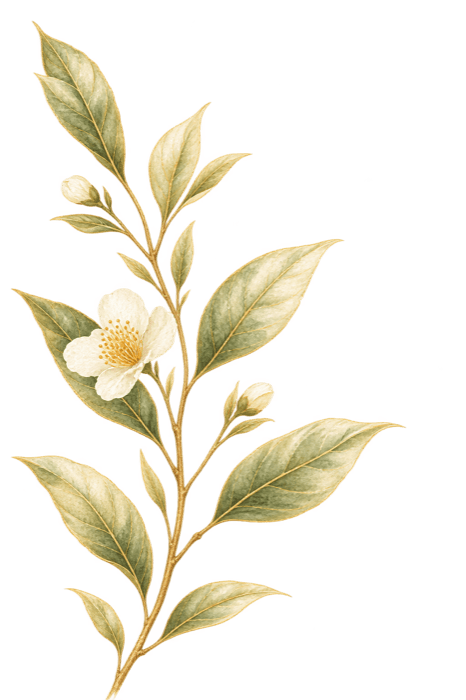
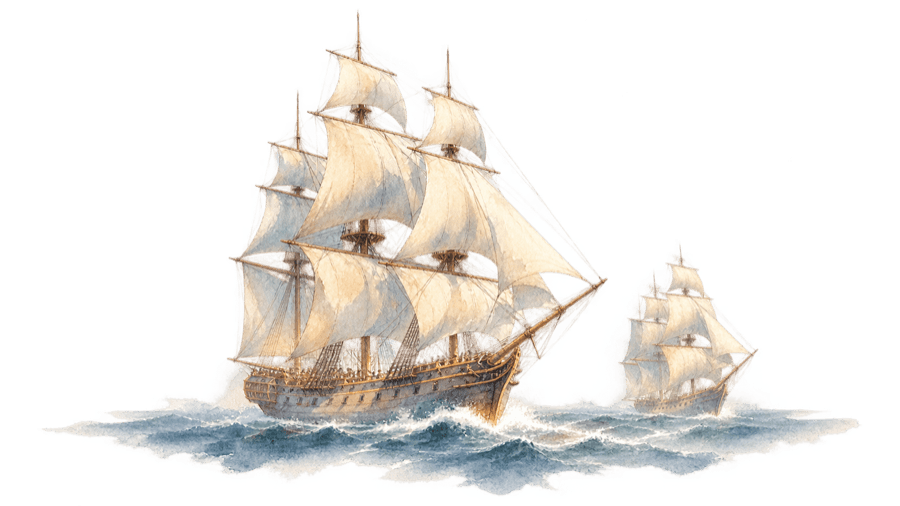
Tea reached Europe by sea,
a medicine before it was a habit.
The English word tea comes from the te of the Fujian coast, by way of the Dutch thee.
If tea could be bought only with silver, what happens when the silver runs short?
Next · Chapter FourTea and Empire