From Remedy to Ritual
Tang Dynasty, 618–907 CE
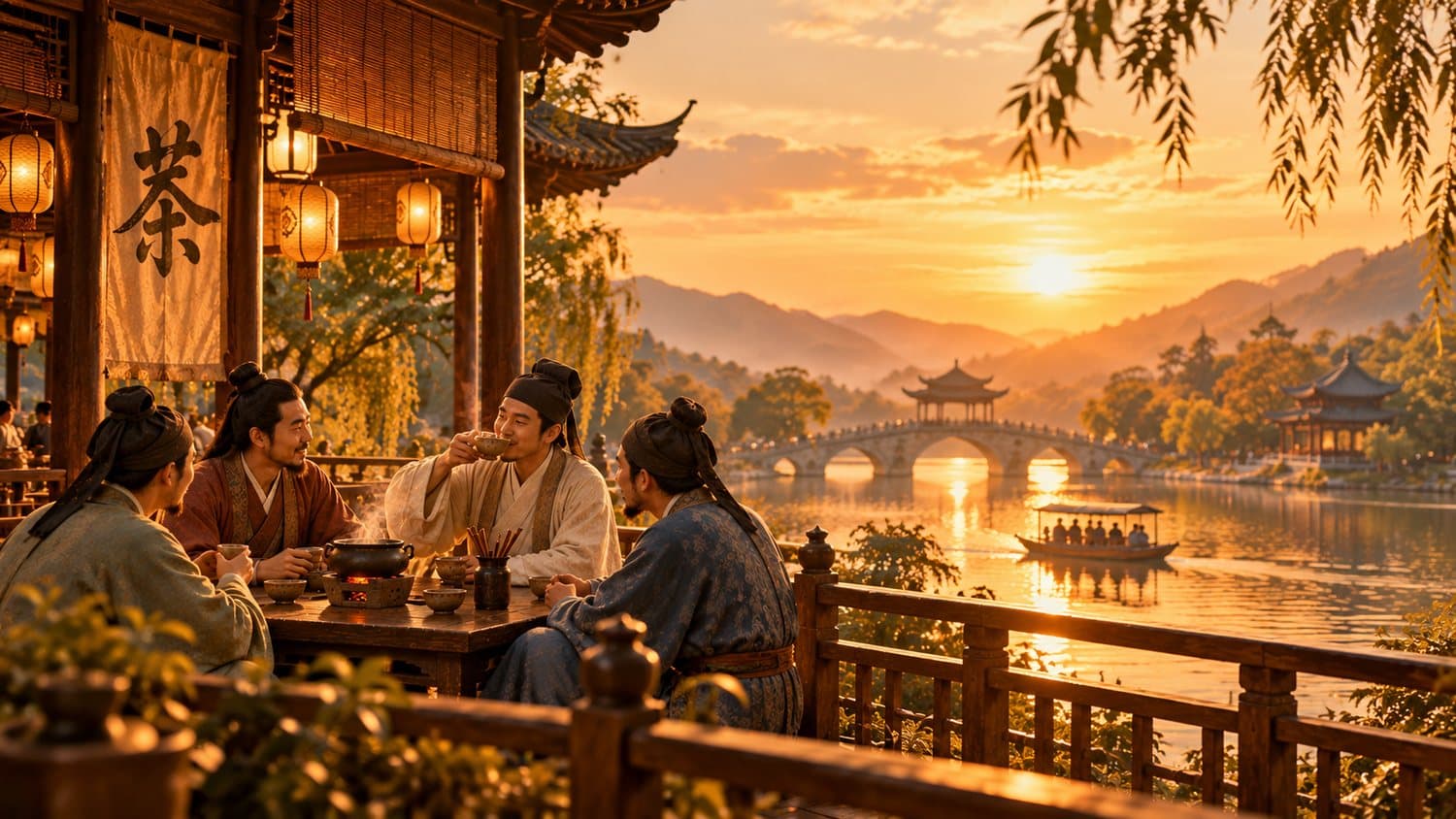
Under the Tang dynasty, tea moved from the healer’s chest into everyday life. People drank it because they wanted to, at home, at work and with guests, and the habit spread from the tea-growing south across the whole empire.
The roads and waterways carried it. The Grand Canal, completed before the Tang, linked the tea country of the south to the cities of the north, and boats and carts brought it up in such quantities that it piled up where it was sold. As transport grew cheaper, so did tea, and a drink once kept for the sick or the wealthy reached ordinary people.
A Tang writer, Feng Yan, recorded how the north took it up. In the Kaiyuan era (713–741), he wrote, a Chan master at the Lingyan temple on Mount Tai allowed his monks to drink tea so they could stay awake through meditation and fast after noon. They carried it everywhere, others copied them, and it became a custom. Soon, he wrote, the towns all the way to the capital had shops that boiled tea and sold it to anyone, monk or layman, who put down the money.
Those shops were the beginning of the tea house: a place you went not to eat or to worship, but to sit over a cup in company. By the ninth century, tea houses were part of town life across China.
The state took notice. Regions famous for their tea sent the best of each year’s harvest to the emperor as tribute. In 793 the government imposed a tax of one tenth on tea, a sign of how much was now being sold. The emperors drank it from the finest utensils of their age: in 1987, archaeologists opening the crypt of the Famen Temple near Xi’an found a gilded silver tea set given by the Tang court in the late ninth century, with a grinder, sieves and spoons.
Company. Conversation. Welcome.
Company. Conversation. Welcome.
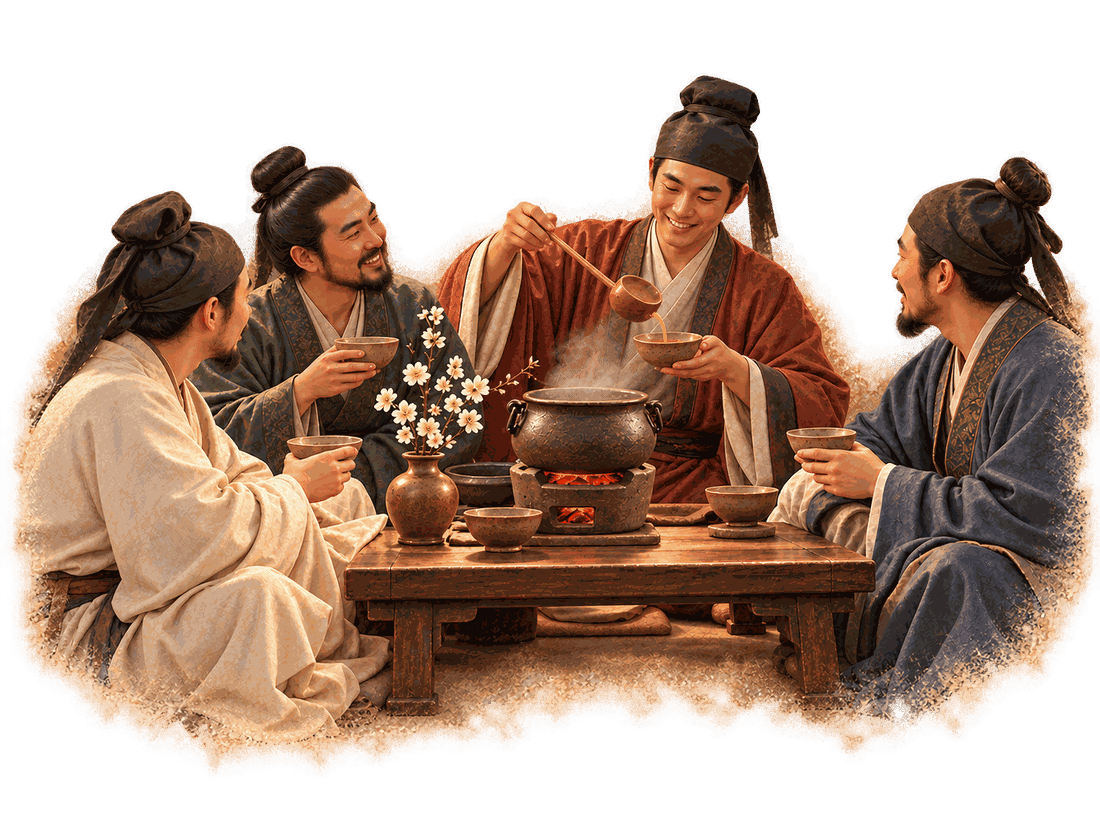
The tea house was the first public room in China built around a drink without alcohol. It was open to anyone with a coin, and it offered what the wine shop and the temple did not: a place to meet, rest and talk, sober, at any hour.
At home, tea became the first thing offered to a guest. A bowl prepared for a visitor was a courtesy anyone could give, and it made welcome a daily habit.
A Place to Gather
The Tang tea shop gave towns a new kind of room: open to all, built for company.
Choice, Not Cure
Tea was now drunk by choice, every day, across the whole empire.
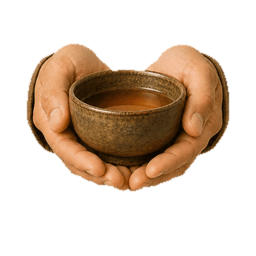
The Art of Welcome
Offering tea to a guest became an everyday courtesy at every level of society.
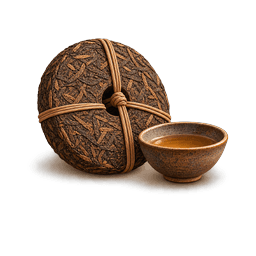
From Habit to Custom
Taxed, traded and offered as tribute, tea had become part of how China lived.
A medicine is taken alone.
Tea had become something people shared.
By the eighth century, a whole empire drank tea. What it still lacked was a book that set down how it should be done.
Twelve centuries on, Camelia Lounge keeps the tea house’s purpose: a room to sit with others over a cup.
What does it take to turn a custom into a craft?
Next · Chapter FourLu Yu and the Way of Tea